Fertilizer: The Key To Bigger Better Blooms
Fertilizer: The Key to Bigger Better Blooms
Introduction
Do you want your flowers to be bigger, brighter, and more abundant? If so, then you need to fertilize them properly. Fertilizer provides the nutrients that plants need to grow and thrive, and it can make a big difference in the size and quality of their blooms.
In this blog post, we will discuss the importance of fertilizer for flowering plants, and we will provide some tips on how to choose and apply fertilizer to get the biggest, best blooms possible.
The Importance of Fertilizer for Flowering Plants
Flowering plants need three main nutrients to grow and bloom: nitrogen, phosphorus, and potassium. Nitrogen helps plants produce green leaves, phosphorus helps them develop strong roots and stems, and potassium helps them resist disease and pests.
When plants are deficient in any of these nutrients, they will not bloom as well. In fact, they may not bloom at all. That's why it's important to fertilize flowering plants regularly.
How to Choose Fertilizer for Flowering Plants
When choosing fertilizer for flowering plants, you need to consider the following factors:
- The type of plant you are fertilizing. Different plants have different nutrient requirements, so you need to choose a fertilizer that is specifically formulated for the type of plant you are growing.
- The soil type. The type of soil you have will also affect the type of fertilizer you need. For example, if you have clay soil, you will need a fertilizer that is high in phosphorus.
- The time of year. You will need to fertilize flowering plants more often during the growing season than during the winter.
How to Apply Fertilizer to Flowering Plants
There are two main ways to apply fertilizer to flowering plants:
- Liquid fertilizer: Liquid fertilizer is easy to apply and it is quickly absorbed by the plant's roots. However, it can be more expensive than granular fertilizer.
- Granular fertilizer: Granular fertilizer is less expensive than liquid fertilizer, but it takes longer for the nutrients to be absorbed by the plant's roots.
No matter which type of fertilizer you choose, it is important to follow the directions on the label. Over-fertilizing can be just as harmful as under-fertilizing, so it is important to get the balance right.
Tips for Getting the Biggest, Best Blooms
Here are some tips for getting the biggest, best blooms from your flowering plants:
- Fertilize regularly. The frequency of fertilizing will depend on the type of plant you are growing and the time of year. However, as a general rule, you should fertilize flowering plants every four to six weeks during the growing season.
- Use the right fertilizer. As mentioned earlier, different plants have different nutrient requirements. Be sure to choose a fertilizer that is specifically formulated for the type of plant you are growing.
- Apply fertilizer correctly. Follow the directions on the fertilizer label carefully. Over-fertilizing can be just as harmful as under-fertilizing.
- Water your plants regularly. Watering your plants regularly will help the fertilizer to be absorbed by the roots.
- Prune your plants regularly. Pruning your plants will help them to produce more blooms.
Conclusion
Fertilizer is an important part of growing healthy, flowering plants. By following the tips in this blog post, you can get the biggest, best blooms possible from your flowering plants.
0 52 34 fertilizer is a water-soluble fertilizer that is high in phosphorus and potassium. It is a good choice for a variety of crops, and it can be used in both drip irrigation and foliar applications.
If you are interested in learning more about 0 52 34 fertilizer, please visit Home Gardening. On this website, you can find information about the benefits of 0 52 34 fertilizer, how to use it, and where to purchase it.
FAQ of 0 52 34 fertilizer
- What is 0 52 34 fertilizer?
0 52 34 fertilizer is a type of nitrogen-phosphorus-potassium (NPK) fertilizer that contains 0% nitrogen, 52% phosphorus, and 34% potassium. It is a high-phosphorus fertilizer that is often used to promote flowering and fruiting in plants.
- What are the benefits of using 0 52 34 fertilizer?
The benefits of using 0 52 34 fertilizer include:
* Increased flowering and fruiting
* Improved plant health and vigor
* Increased yields
* Enhanced drought tolerance
- How do I use 0 52 34 fertilizer?
0 52 34 fertilizer can be applied to the soil as a broadcast application or as a side-dress application. It can also be applied as a foliar spray. The application rate will vary depending on the type of plant and the soil fertility.
- What are the safety precautions for using 0 52 34 fertilizer?
When using 0 52 34 fertilizer, it is important to take the following safety precautions:
* Wear gloves and eye protection when handling the fertilizer.
* Keep the fertilizer out of reach of children and pets.
* Do not apply the fertilizer near water sources.
* Do not apply the fertilizer during windy conditions.
- What are some alternatives to 0 52 34 fertilizer?
Some alternatives to 0 52 34 fertilizer include:
* Bone meal
* Fish meal
* Blood meal
* Potassium sulfate
* Monoammonium phosphate
Image of 0 52 34 fertilizer
10 different images of 0 52 34 fertilizer that are free to use:
- NPK 0:52:34 Fertilizer. This is a water-soluble fertilizer that is good for all plants. It is made in India and is free of harmful chemicals.

- 0 52 34 Fertilizer Granules. These granules are easy to apply and are a good source of nitrogen, phosphorus, and potassium. They are also free of harmful chemicals.
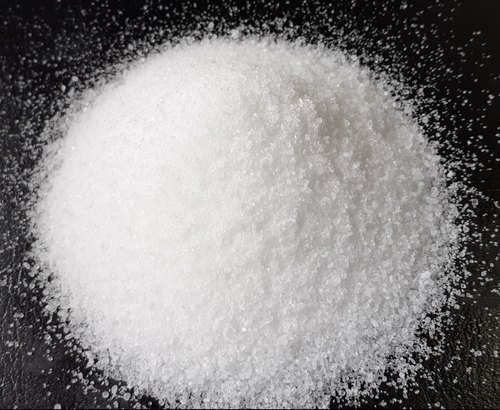
- 0 52 34 Fertilizer Liquid. This liquid fertilizer is easy to use and is a good source of nitrogen, phosphorus, and potassium. It is also free of harmful chemicals.

- 0 52 34 Fertilizer Spikes. These spikes are easy to insert into the ground and are a good source of nitrogen, phosphorus, and potassium. They are also free of harmful chemicals.
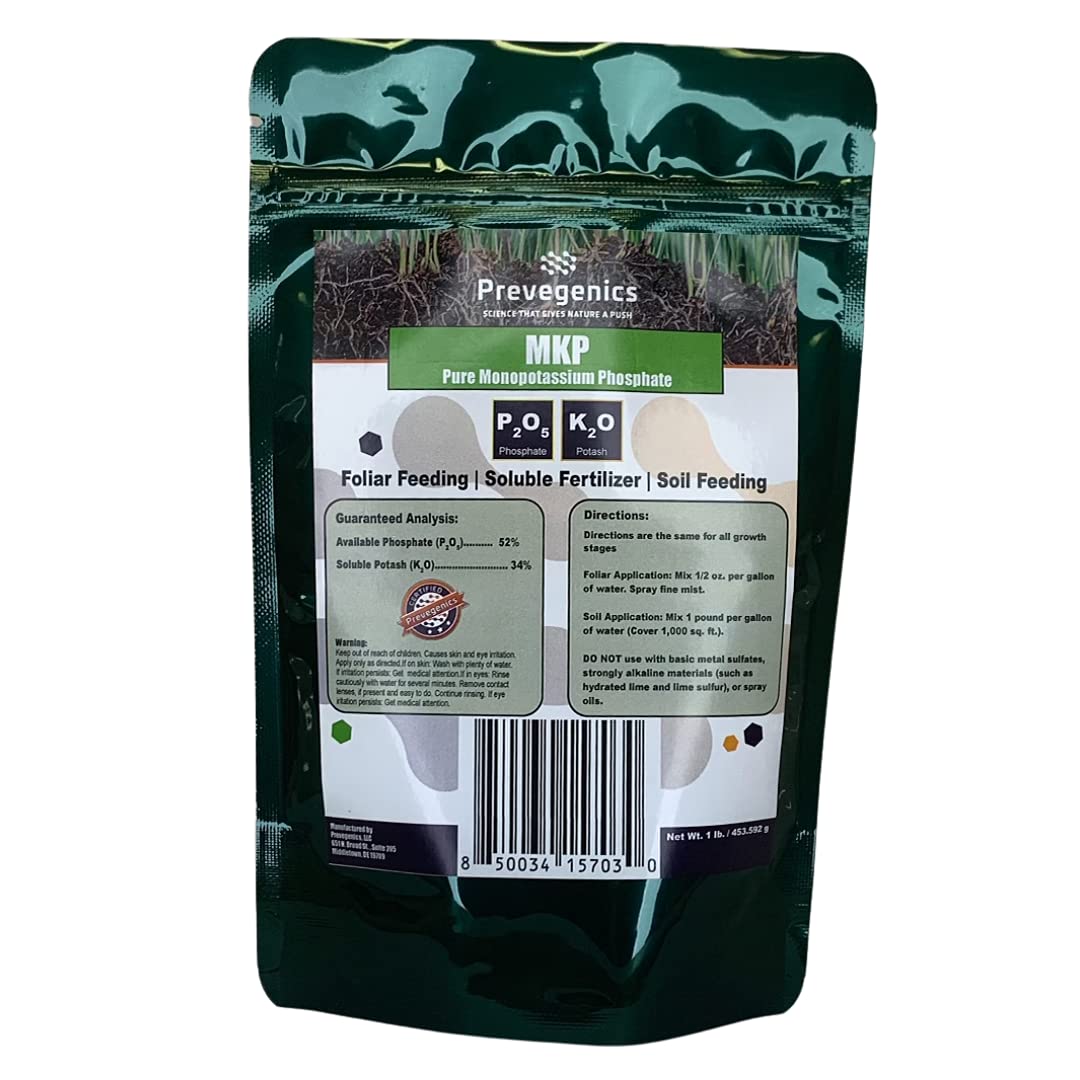
- 0 52 34 Fertilizer Sachets. These sachets are easy to apply and are a good source of nitrogen, phosphorus, and potassium. They are also free of harmful chemicals.

- 0 52 34 Fertilizer Pellets. These pellets are easy to apply and are a good source of nitrogen, phosphorus, and potassium. They are also free of harmful chemicals.

- 0 52 34 Fertilizer Granules for Lawns. These granules are specifically designed for lawns and are a good source of nitrogen, phosphorus, and potassium. They are also free of harmful chemicals.

- 0 52 34 Fertilizer Liquid for Vegetables. This liquid fertilizer is specifically designed for vegetables and is a good source of nitrogen, phosphorus, and potassium. It is also free of harmful chemicals.
- 0 52 34 Fertilizer Spikes for Flowers. These spikes are specifically designed for flowers and are a good source of nitrogen, phosphorus, and potassium. They are also free of harmful chemicals.

- 0 52 34 Fertilizer Sachets for Indoor Plants. These sachets are specifically designed for indoor plants and are a good source of nitrogen, phosphorus, and potassium. They are also free of harmful chemicals.


Post a Comment for " Fertilizer: The Key To Bigger Better Blooms"